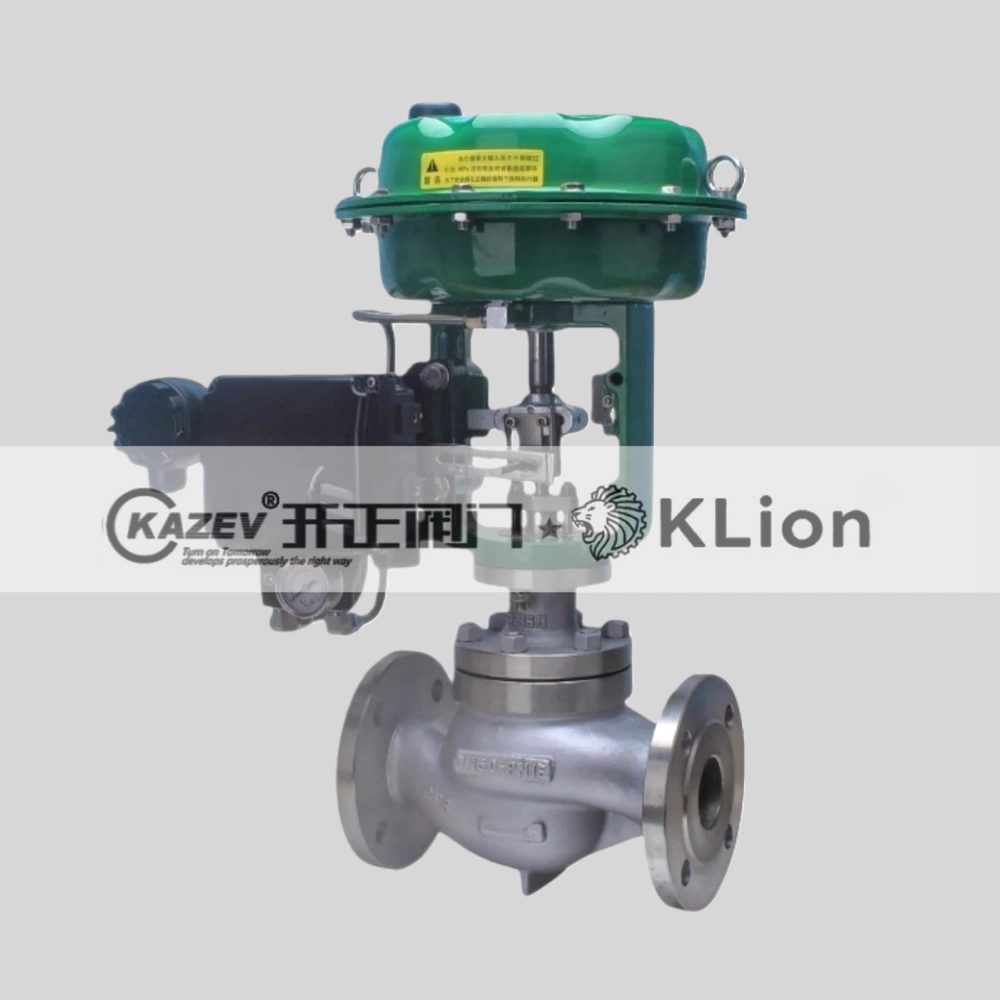









ZJHP Stainless Steel Pneumatic Regulating Valve Explosion-Proof Positioner for Steam Flow Pressure Temperature Remote Automatic Control
Flanged pneumatic control valve has stainless steel body with diaphragm actuator and positioner. It precisely regulates flow, pressure and temperature of fluid automatically. Widely used in chemical, petrochemical and pharmaceutical industrial process control systems.
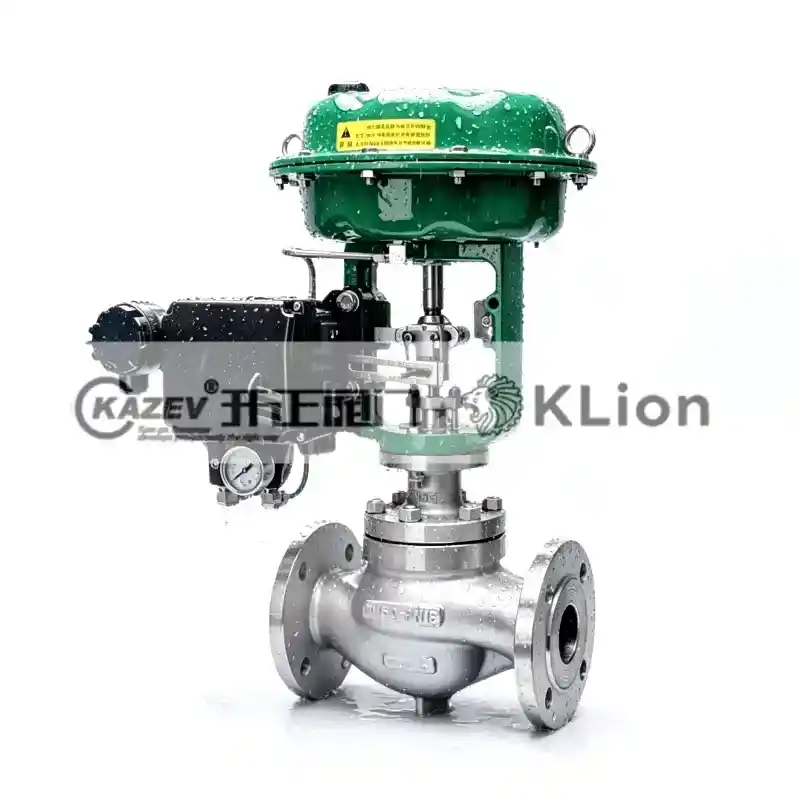
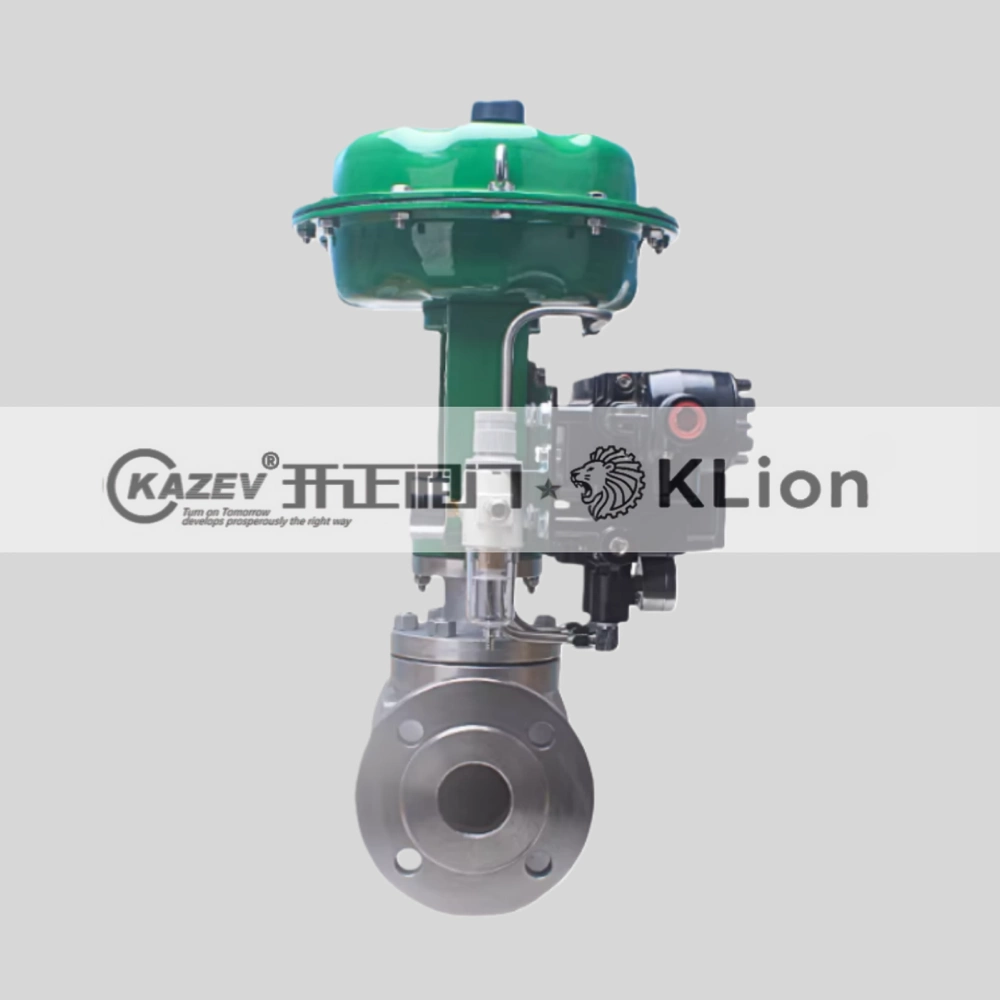
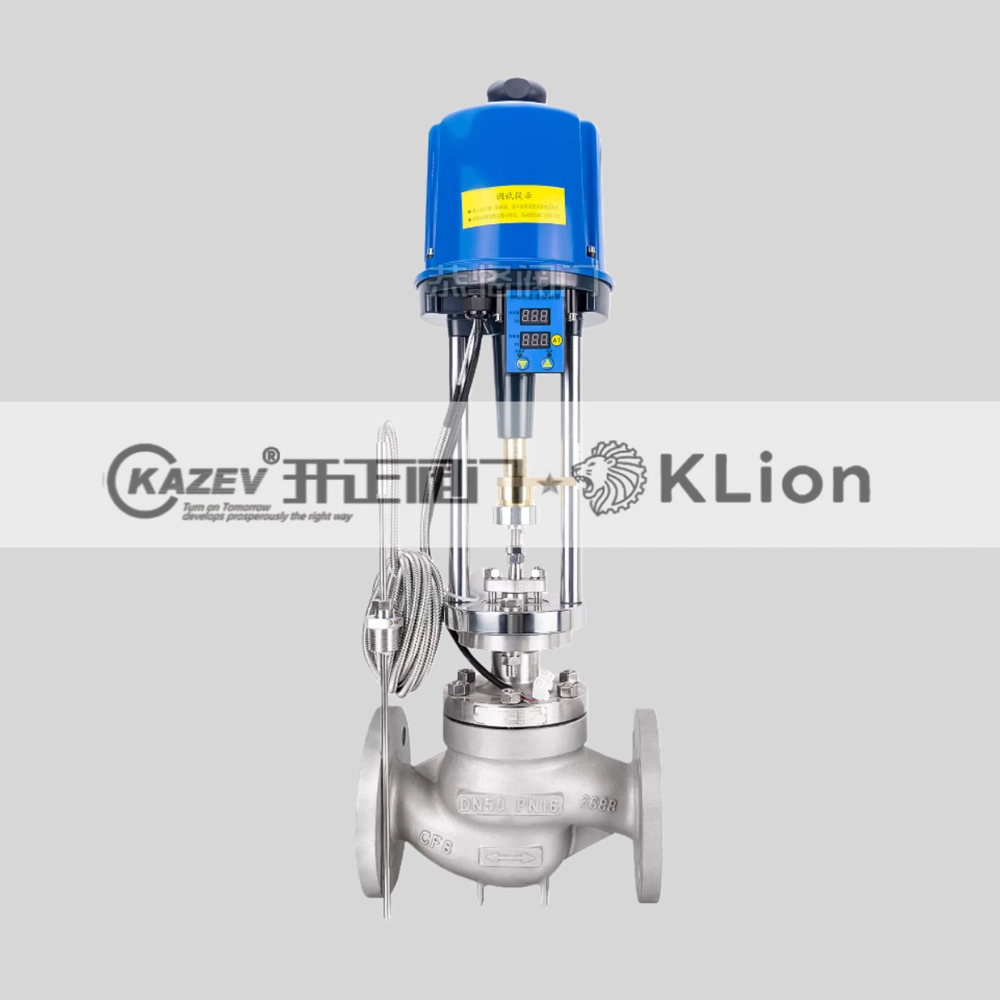
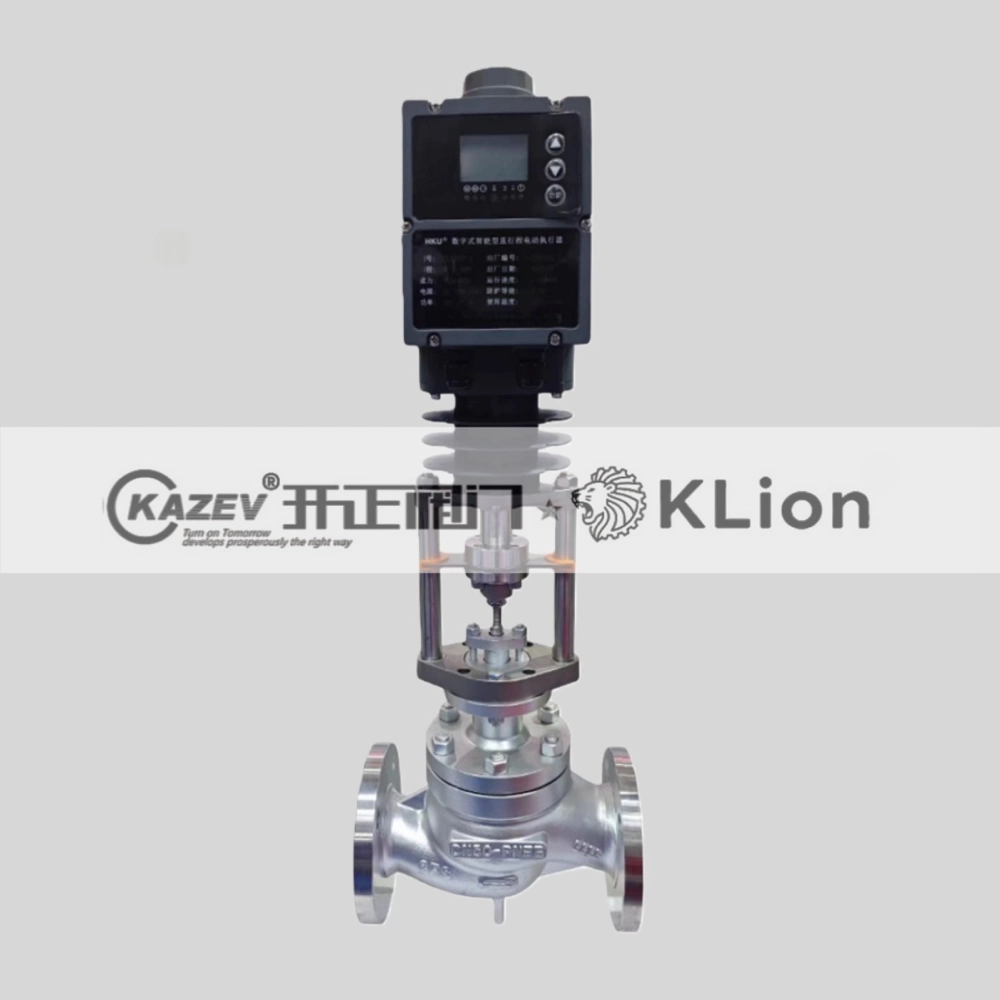
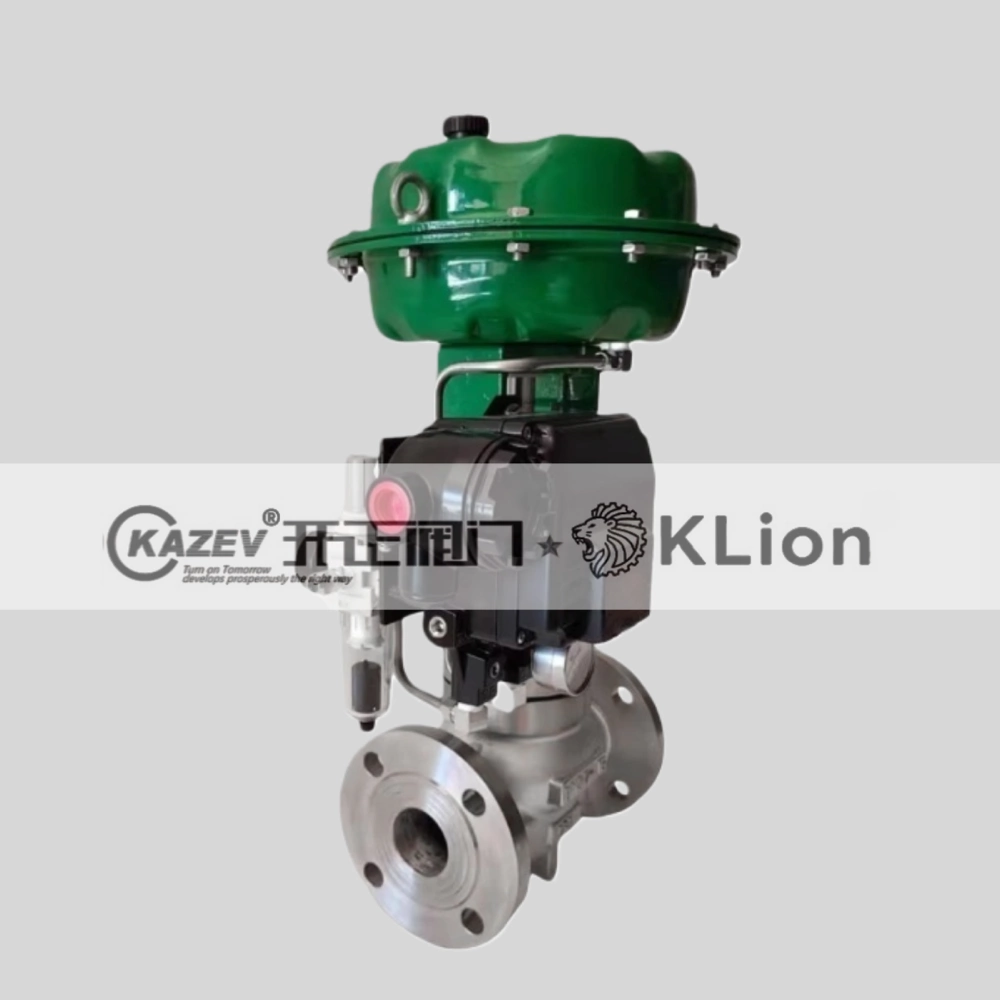
This stainless steel pneumatic regulating valve is a pneumatic diaphragm single-seat control valve, widely used in industrial automation control systems.
-
Structural Features
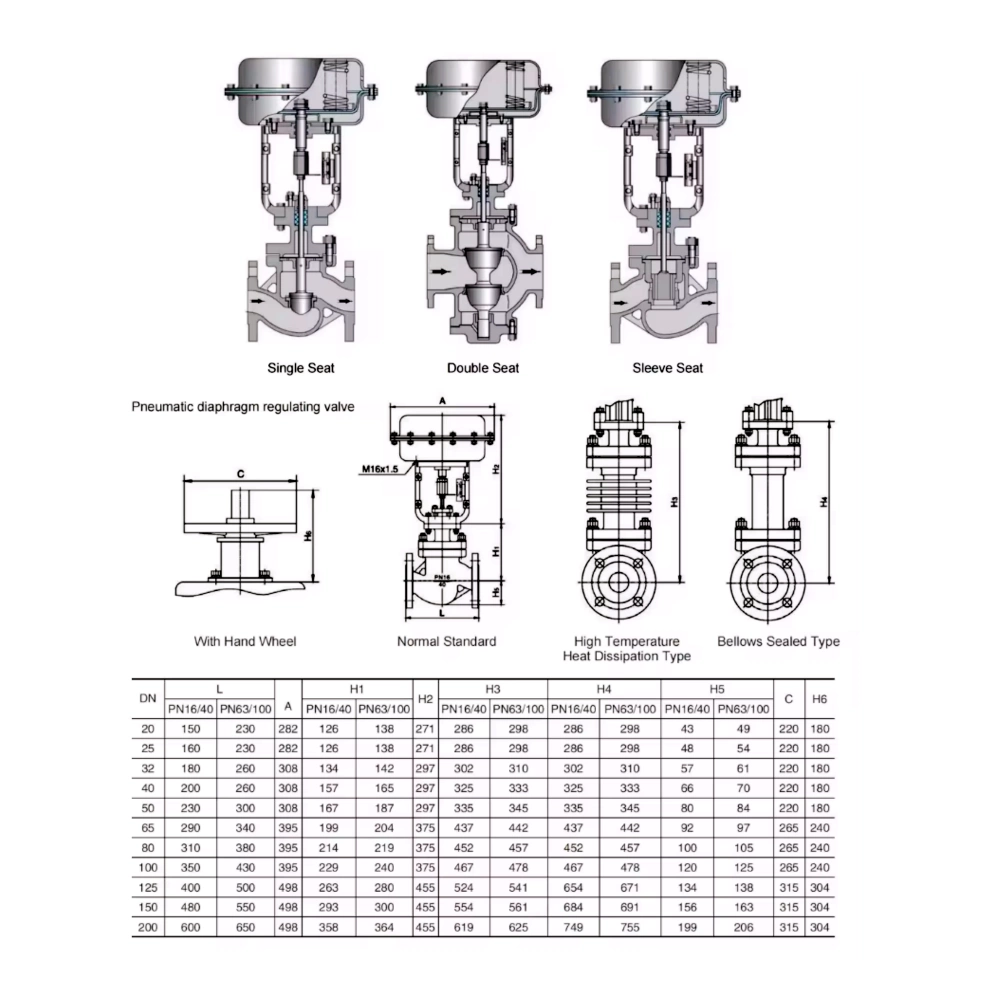
This stainless steel pneumatic regulating valve uses a top-guided structure with a compact valve body.Its S-shaped streamlined fluid passage reduces pressure drop loss and boosts flow capacity.The valve features a wide adjustable range and high-precision flow characteristics.The valve core has a large guiding area and delivers outstanding anti-vibration performance.Technical Parameters
The valve features a nominal diameter range from DN20 to DN400.It supports multiple nominal pressures, including PN0.6, PN1.6, PN4.0 and PN6.4.It provides linear, equal percentage and quick opening flow characteristics.Different valve cover styles enable a medium temperature range of -100℃ to +450℃.Actuator Configuration
This valve equips a multi-spring diaphragm actuator with compact size and high output force.It supports direct-acting and reverse-acting two working modes.Direct-acting mode refers to air-to-close and normally open working status.Reverse-acting mode stands for air-to-open and normally closed working status.It mainly adopts flange connection and supports thread or welding connection on demand.Scope of Application
The valve suits working conditions with tiny allowable leakage and small front-back pressure difference.It applies to chemical, petroleum, metallurgy and power station industries.It also serves light textile, papermaking, pharmaceutical and other industrial fields.Purchase Notes:
1. Working Condition Parameter Matching
Confirm accurate nominal diameter (DN20-DN400) and pressure grade (PN0.6/1.6/4.0/6.4) based on actual pipeline parameters. Avoid mismatched specifications that affect regulation efficiency.Verify medium temperature range. Select a matched bonnet structure according to the actual medium temperature (-100℃ to +450℃) to adapt to extreme temperature working conditions.This valve is suitable for conditions with small front and rear pressure difference and allowable slight leakage. Do not use it for high pressure difference and zero strict leakage scenarios.Confirm medium characteristics such as corrosiveness and viscosity to ensure the stainless steel material meets long-term service requirements.2. Flow Characteristic Selection
Choose appropriate flow characteristics according to process regulation demands. Select linear type for stable load working conditions and equal percentage type for fluctuating load conditions.Adopt quick opening type for working conditions requiring rapid switch response. Reasonable selection ensures high control accuracy of the valve.3. Actuator & Action Mode Confirmation
The multi-spring diaphragm actuator features high output force and stable operation. Confirm actuator configuration according to on-site control torque demands.Select action modes based on safety rules. Choose direct-acting (air-to-close, normally open) or reverse-acting (air-to-open, normally closed) to ensure safe valve state when air supply fails.4. Connection Mode Selection
Flange connection is the standard configuration for universal installation. Select thread or welding connection according to on-site pipeline installation standards and space conditions.Reserve installation space in advance matching the valve’s compact body structure to facilitate later installation and maintenance.5. Applicable Industry & Scene Verification
Prioritize this valve for chemical, petroleum, metallurgy, power, textile, papermaking and pharmaceutical industries. Confirm scene applicability before procurement.Avoid applying it in special working conditions with severe vibration, strong impact and ultra-large pressure difference to prevent affecting service life.6. Quality & Customization Requirements
Check core structural advantages including top-guided anti-vibration structure and S-shaped streamlined passage to ensure low pressure loss and large flow capacity.Put forward personalized customization demands for specifications, connection methods and temperature resistance structures according to special working condition needs.7. Supporting & After-sales Confirmation
Confirm supporting accessories and factory test reports to ensure the valve meets industrial standard parameters and performance indicators.Verify after-sales services including installation guidance, maintenance support and product warranty to reduce later operation risks.