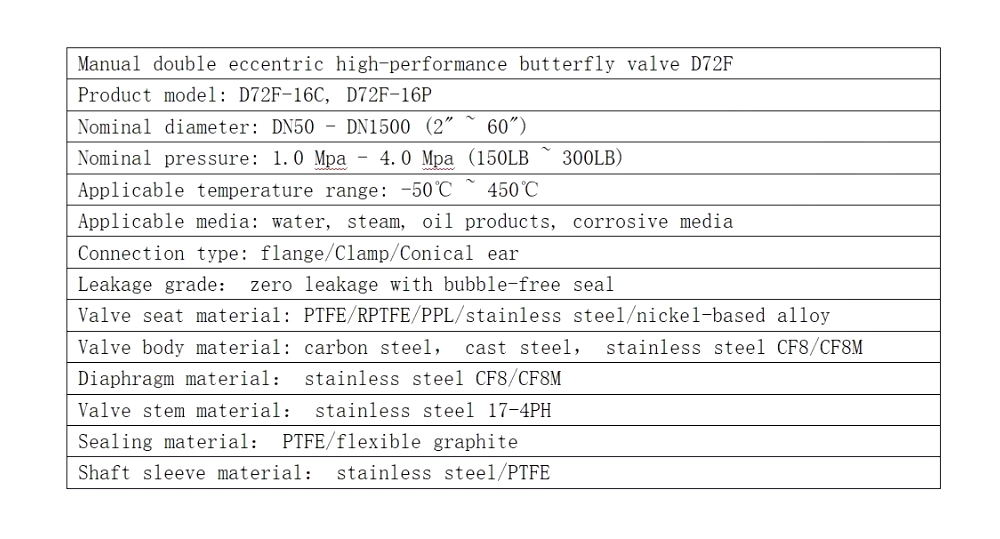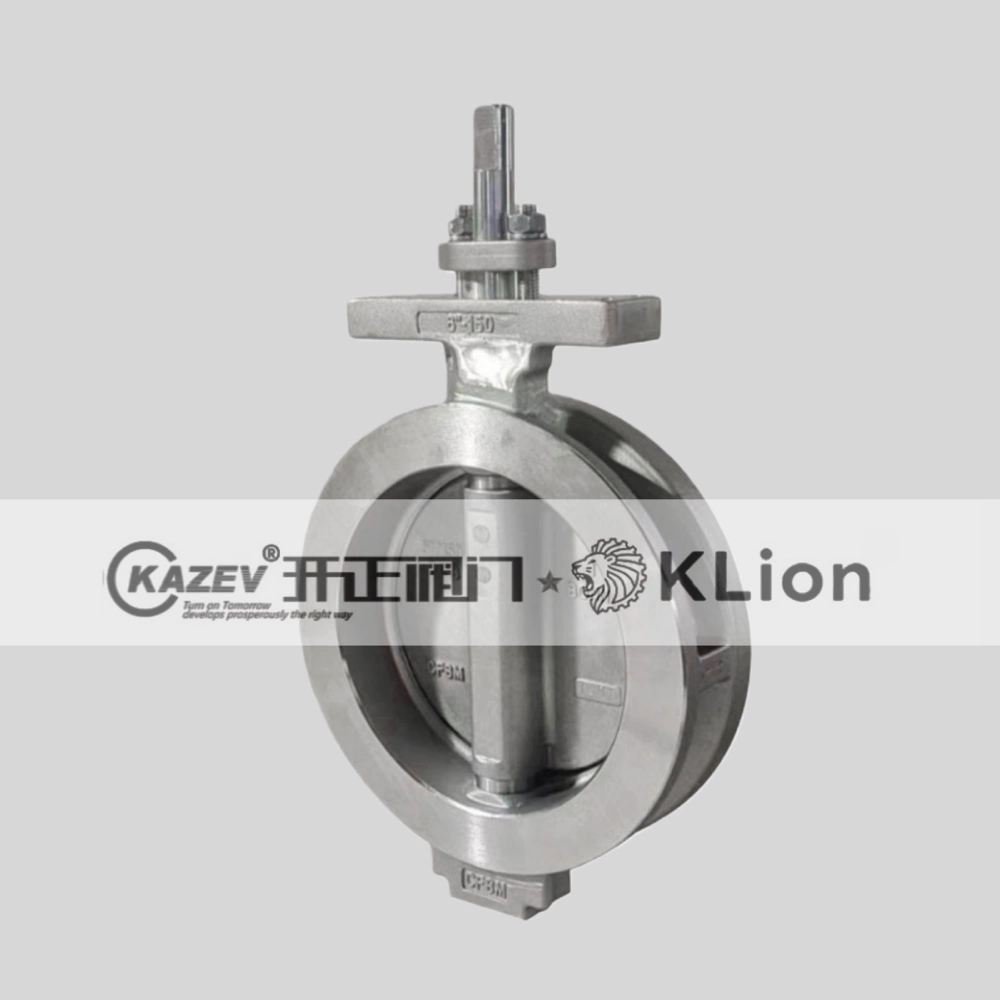









PTFE soft seal wafer double eccentric butterfly valve-CE ISO ANSI JIS DIN high temperature stainless steel
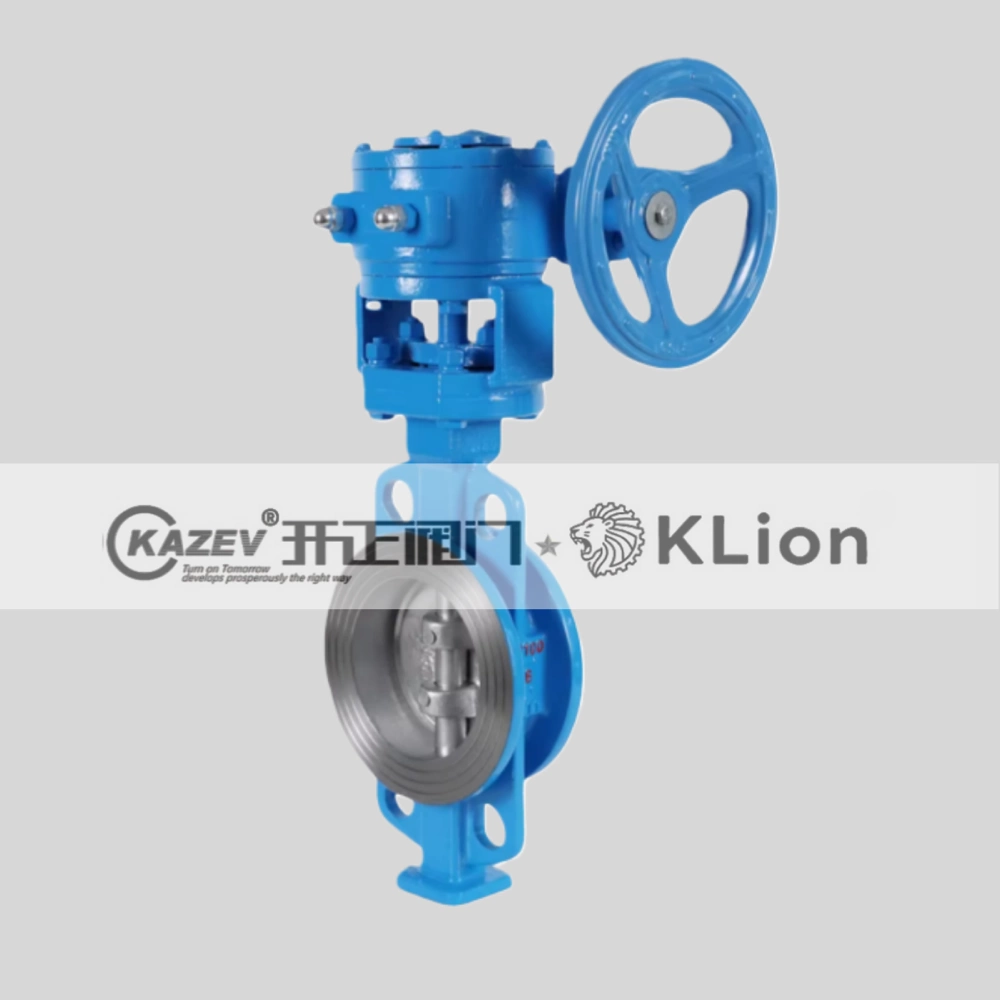
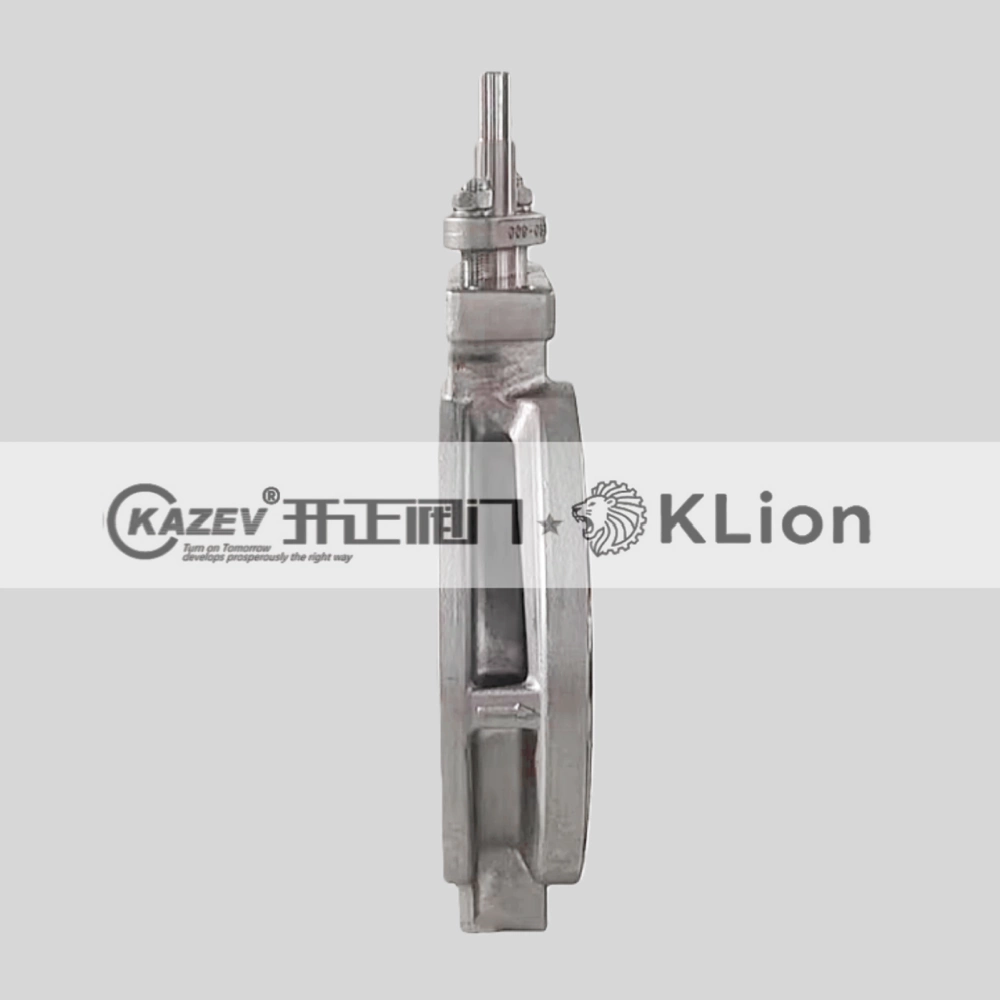
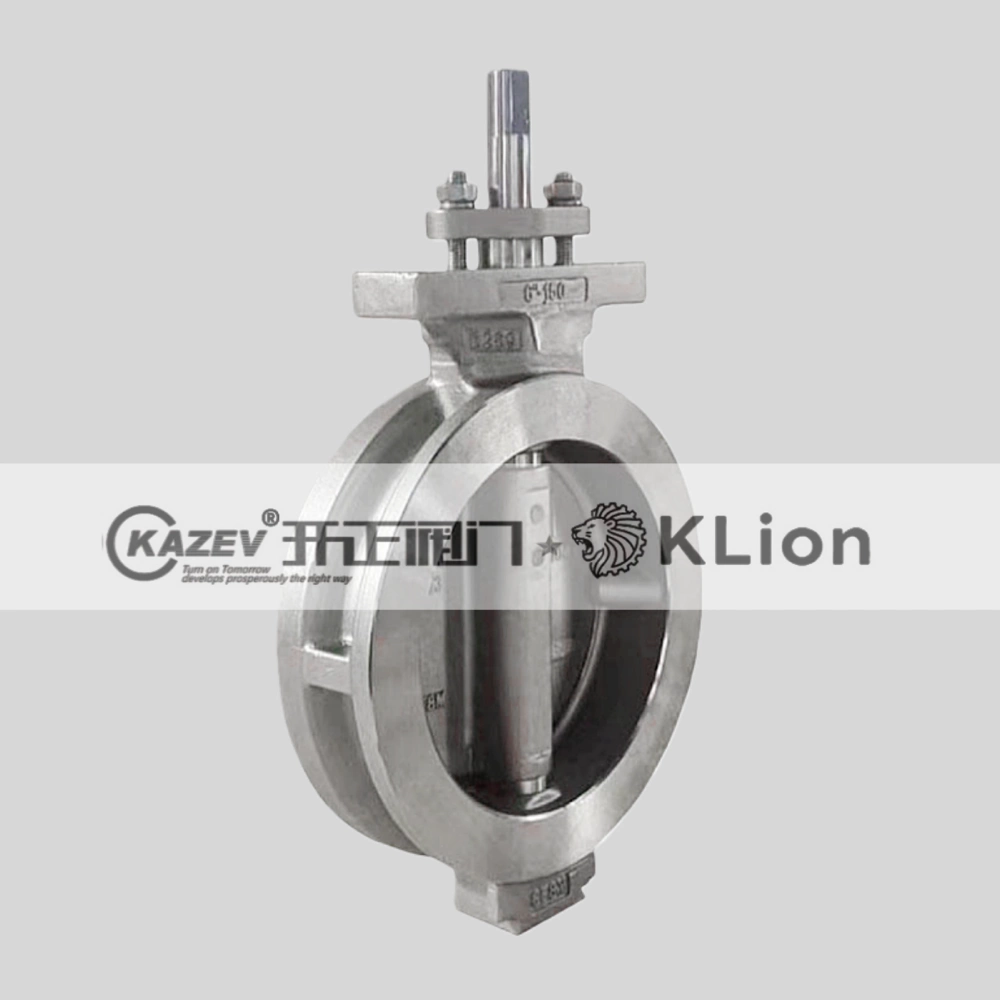
Stainless steel wafer butterfly valve Class150 features double eccentric structure, bare stem for actuator mounting. Compact wafer installation, low torque and tight sealing. Ideal for flow control of gas, water and corrosive fluids in petrochemical & HVAC pipelines.
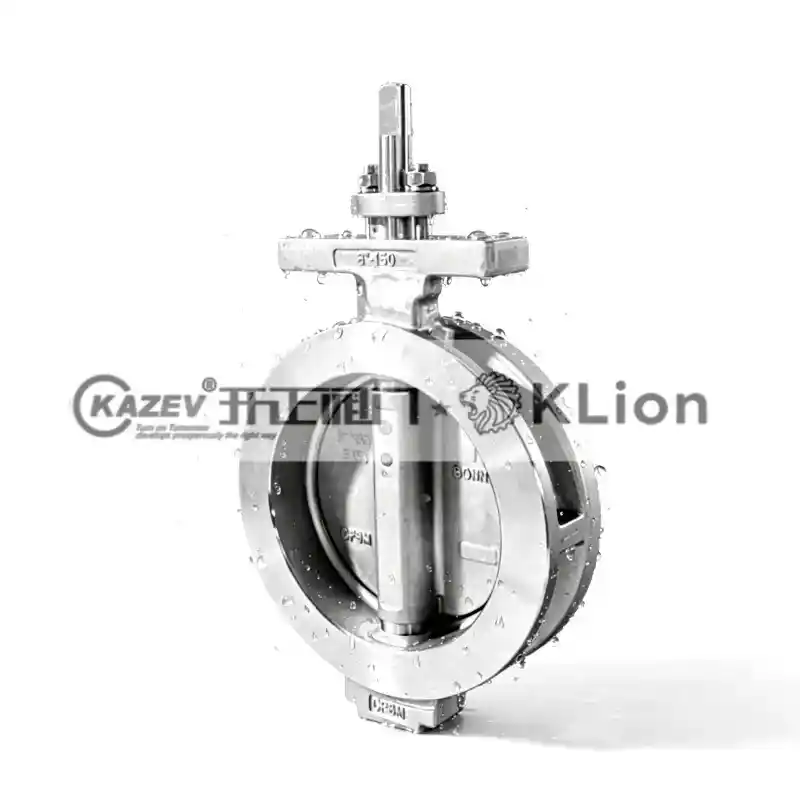
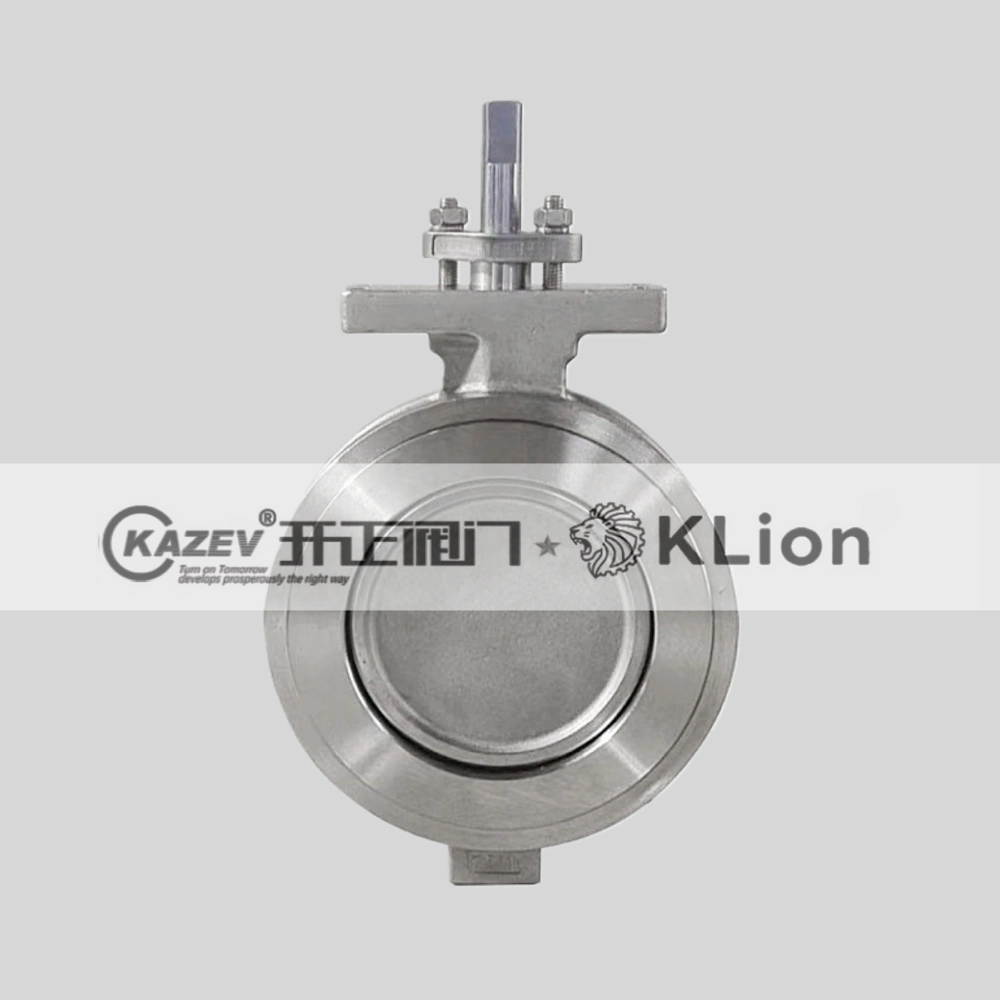
Core Selling Points of Double Eccentric Soft Seal Wafer Butterfly Valve
1. Structural and Installation Advantages
First, the soft seal wafer butterfly valve adopts a professional double eccentric structure. Its valve shaft features double offset design. When the butterfly plate opens around 20 degrees, it separates from the valve seat completely. This design greatly lowers friction and operating torque. It also effectively extends the valve’s overall service life.
Besides, it applies a standard clamp-type connection. It has no built-in flange. It owns a compact and lightweight structure. It saves installation space and enables fast on-site assembly.
In addition, the valve supports simple installation, disassembly and maintenance. Users can replace the valve seat independently. It requires no removal of the butterfly plate or valve shaft. This feature greatly cuts daily maintenance costs.
2. Sealing Performance and Functional Highlights
To ensure stable operation, the valve achieves bidirectional zero leakage. It matches EPDM, NBR or PTFE soft seals with flexible lip-type seats. It can reach bubble-level sealing performance.
Furthermore, it delivers reliable dynamic sealing effects. Higher working pressure brings tighter sealing force. The structure automatically compensates for temperature and pressure changes.
Moreover, the valve features low flow resistance and excellent regulation capacity. It presents approximate equal percentage flow characteristics. It can realize both pipeline cut-off and flow regulation.
Meanwhile, it avoids jamming during opening and closing. Low friction and low torque support diverse driving modes. It fits manual, turbine, pneumatic and electric actuation applications.
3. Condition-Adaptive Material Configuration
The valve provides abundant material options for different working conditions. It uses WCB, 304 or 316 for the valve body. It adopts stainless steel for the butterfly plate. Users can choose various elastic materials for the valve seat.
Therefore, it boasts wide application adaptability. It works for water, oil, gas, steam and weakly corrosive media. Its working temperature ranges from -30℃ to 180℃, subject to different sealing materials.
It also has outstanding durability. It maintains stable performance after tens of thousands of switch cycles. It perfectly suits working conditions with frequent switching operations.
4. Economic and Value Advantages
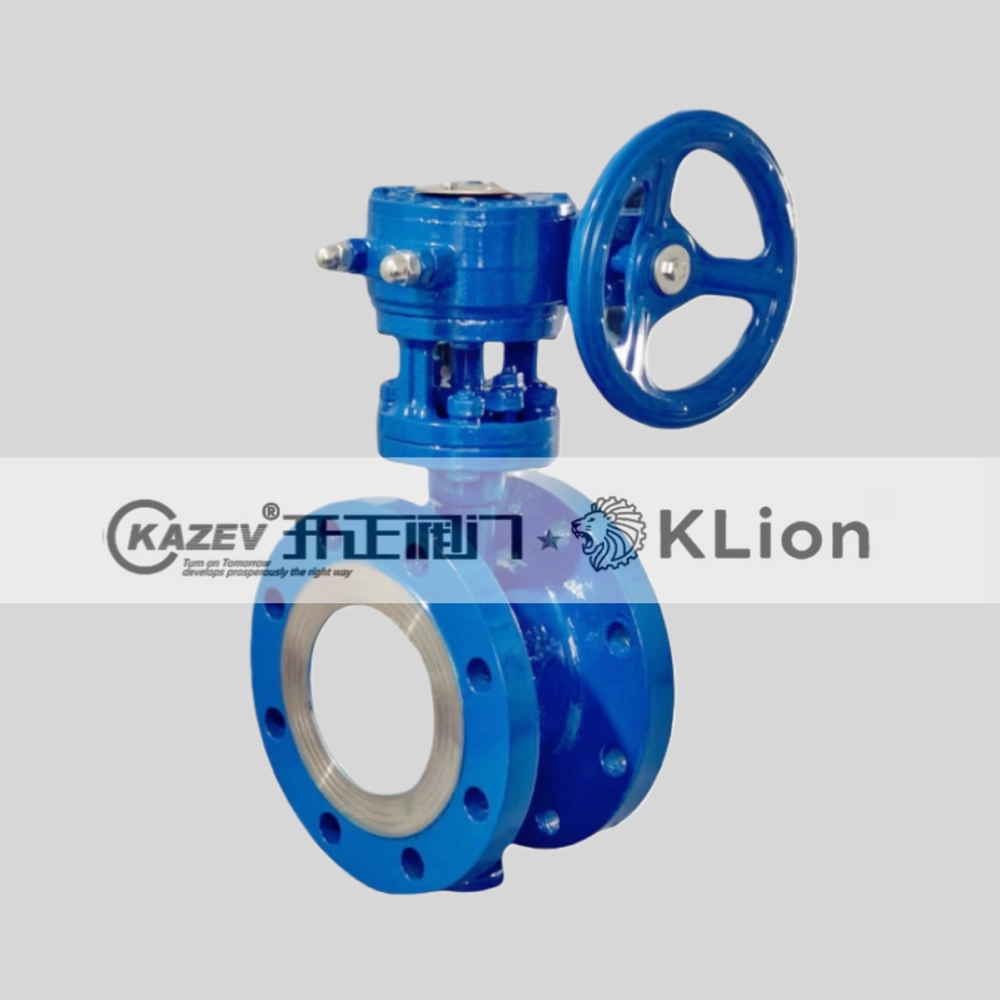
The valve features light weight and high cost performance. It is over 30% lighter than traditional flanged butterfly valves. It reduces pipeline load and lowers on-site installation expenses.
Finally, its long service life and simple maintenance create great value. It reduces equipment downtime and spare parts consumption. It effectively lowers the total life-cycle cost for users.