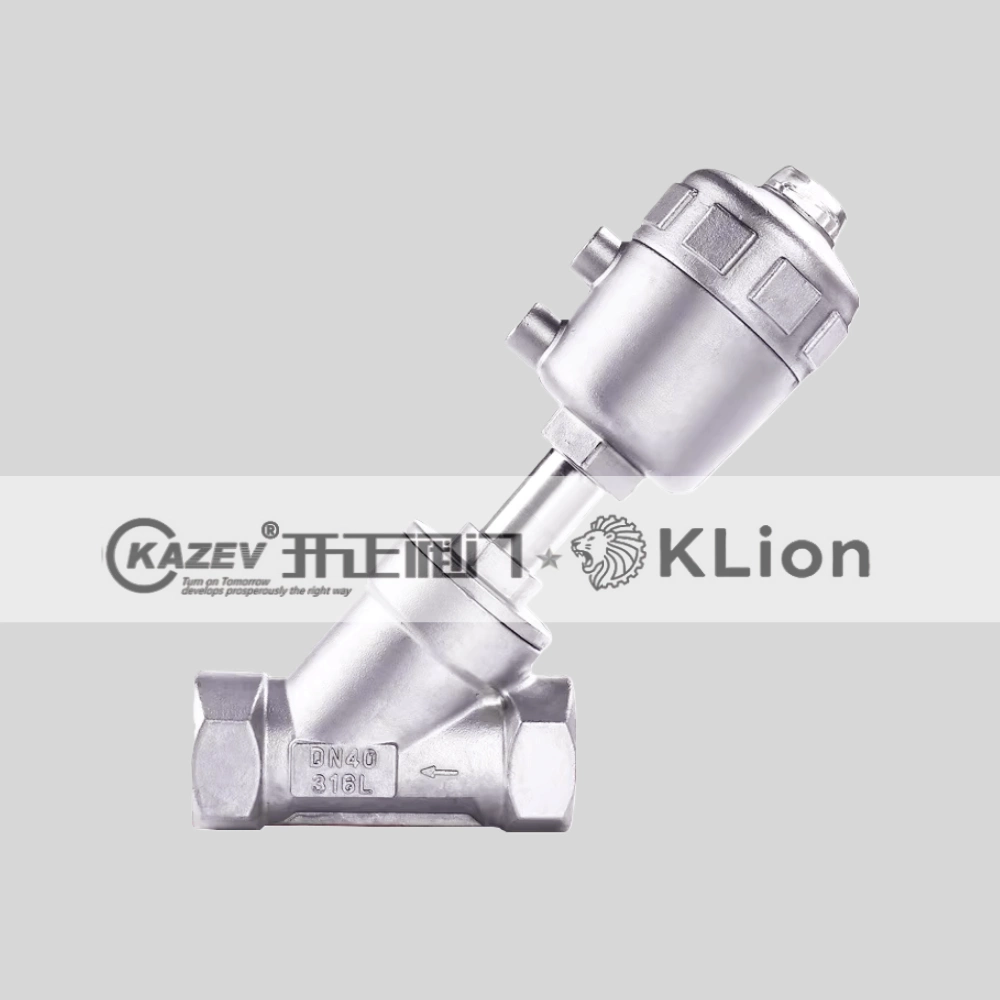









Y-type Pneumatic Angle Seat Valve BSP NPT Thread Flange Ports Anti-Corrosion Fittings For Brewing Production Lines
Stainless steel threaded pneumatic angle seat valve adopts Y-shaped structure, driven by air cylinder to open/close automatically. Featuring small flow resistance, quick switching and good tightness. Suitable for steam, water and gas control in food, chemical and heating piping systems.
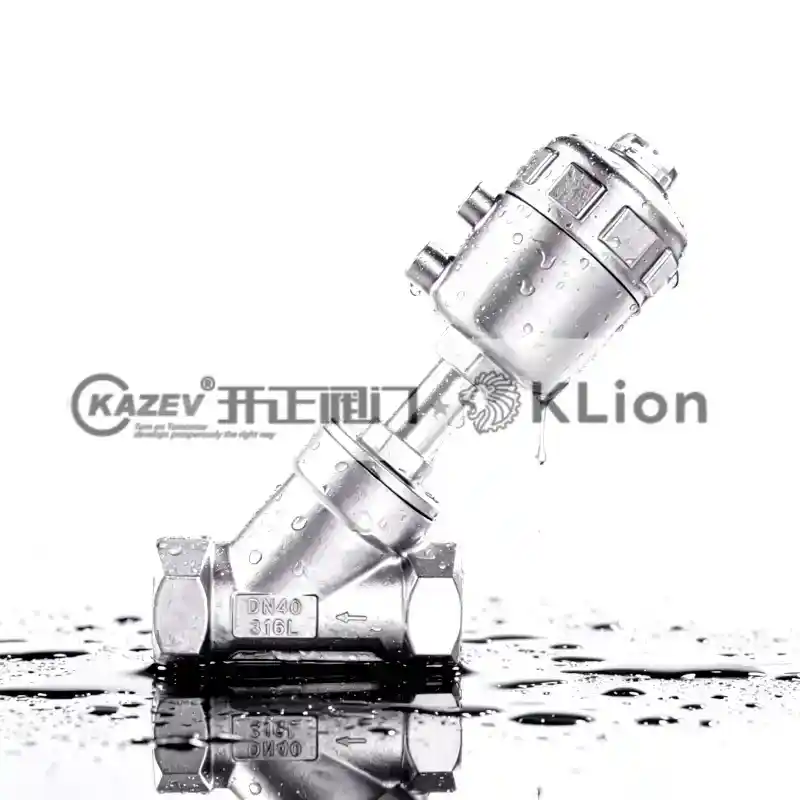
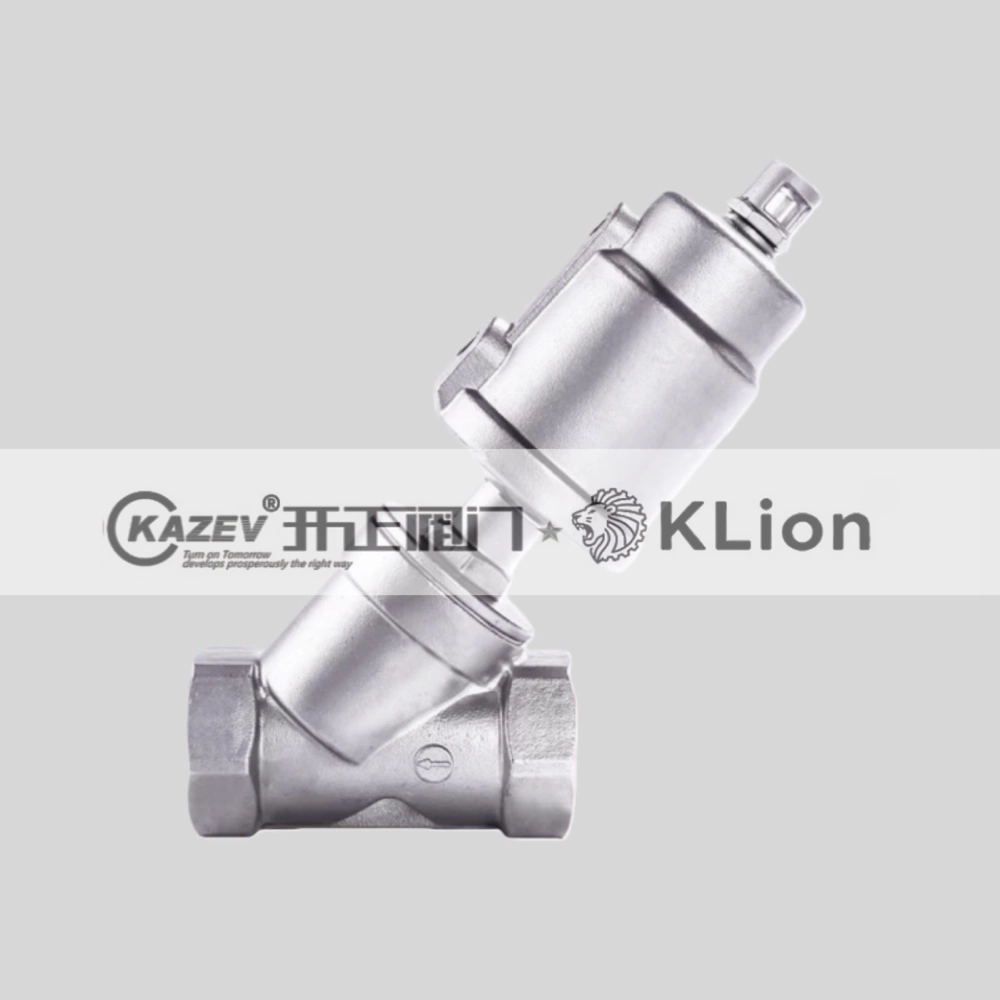
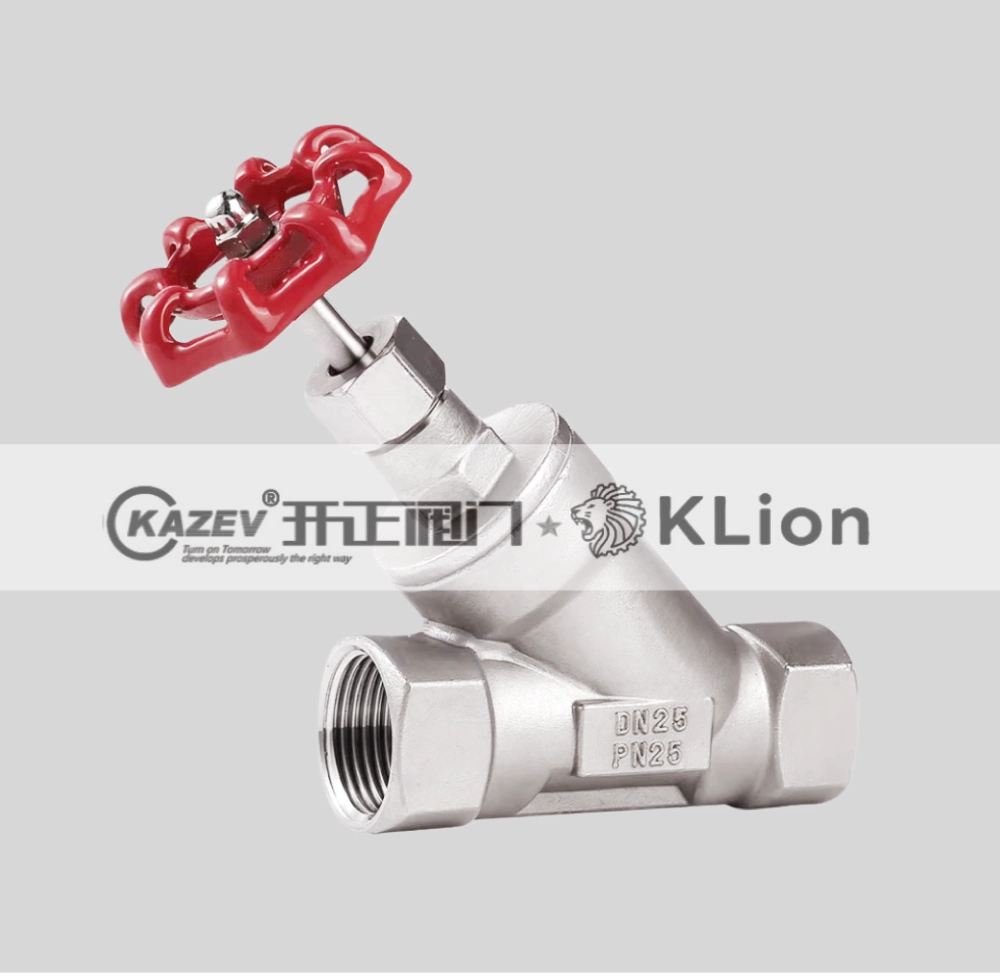
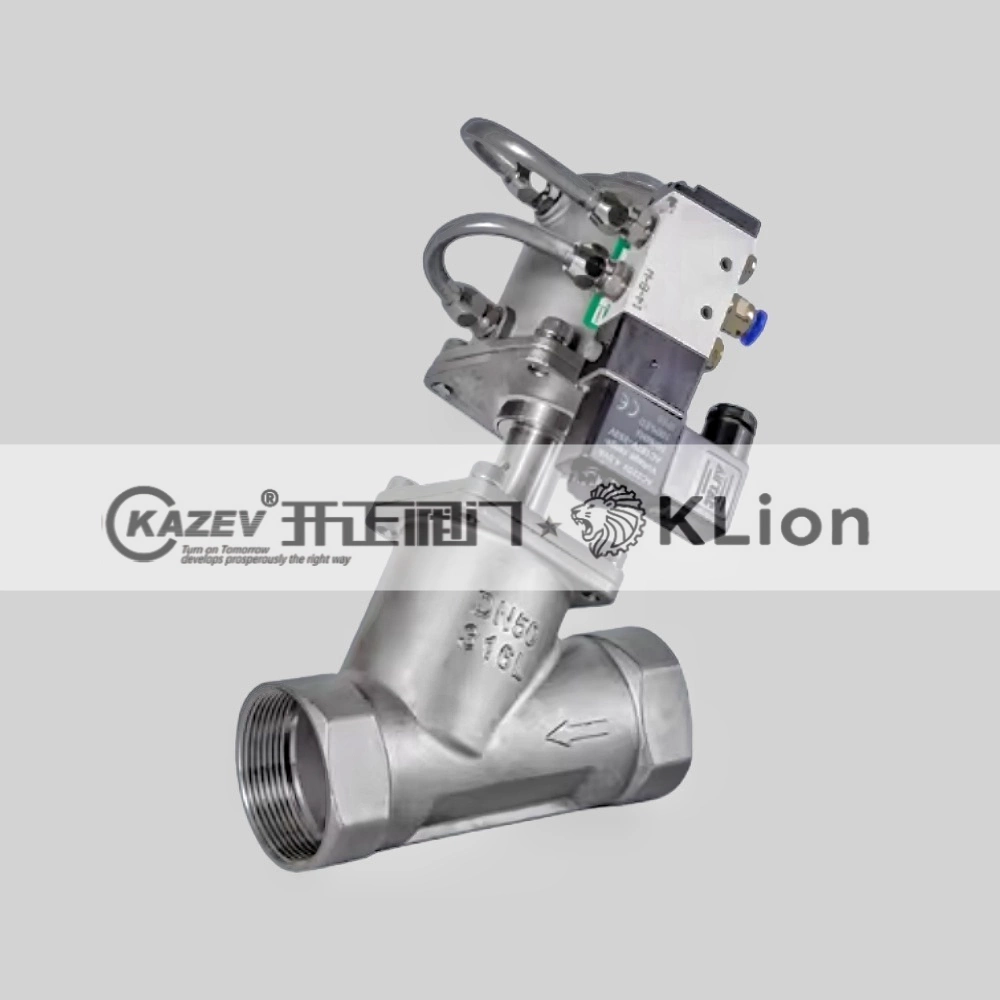
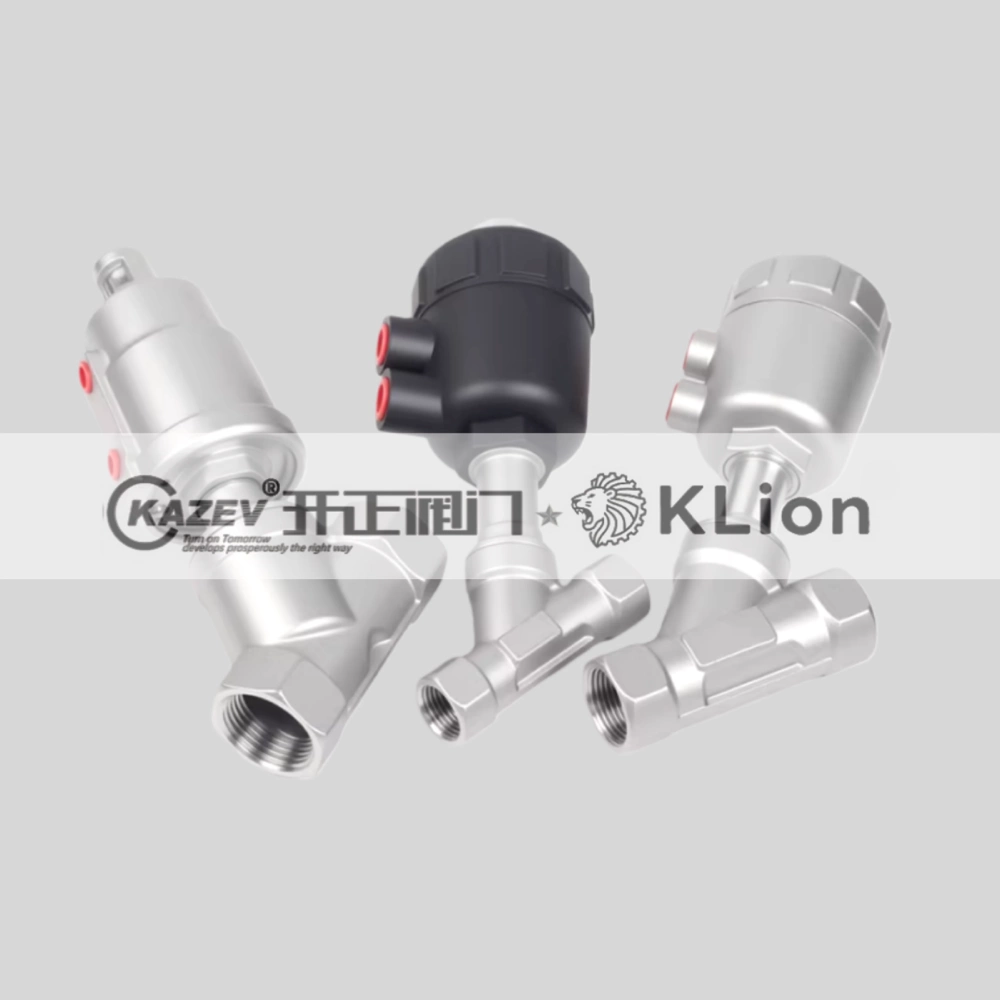
Pneumatic Threaded Angle Valve Introduction
The pneumatic threaded angle valve belongs to angle seat valves. It relies on an air actuator for control. It uses internal thread connection. It features a compact structure and large flow capacity. Thus, it sees extensive use in industrial scenarios. Below is its detailed introduction.
Working Principle
First, single-acting models rely on spring return for switch control. They include normally open and normally closed types. In contrast, double-acting models use compressed gas to open and close.
Structural Features
This valve adopts a classic Y-shaped structural design. This design expands the internal flow passage. It enables smoother fluid flow and higher flow rates than ordinary stop valves. The valve stem mainly uses 316L stainless steel for durability. It equips wedge-shaped PTFE for sealing. This sealing structure supports automatic correction and self-lubrication. It also requires no daily maintenance.
Main Basic Parameters
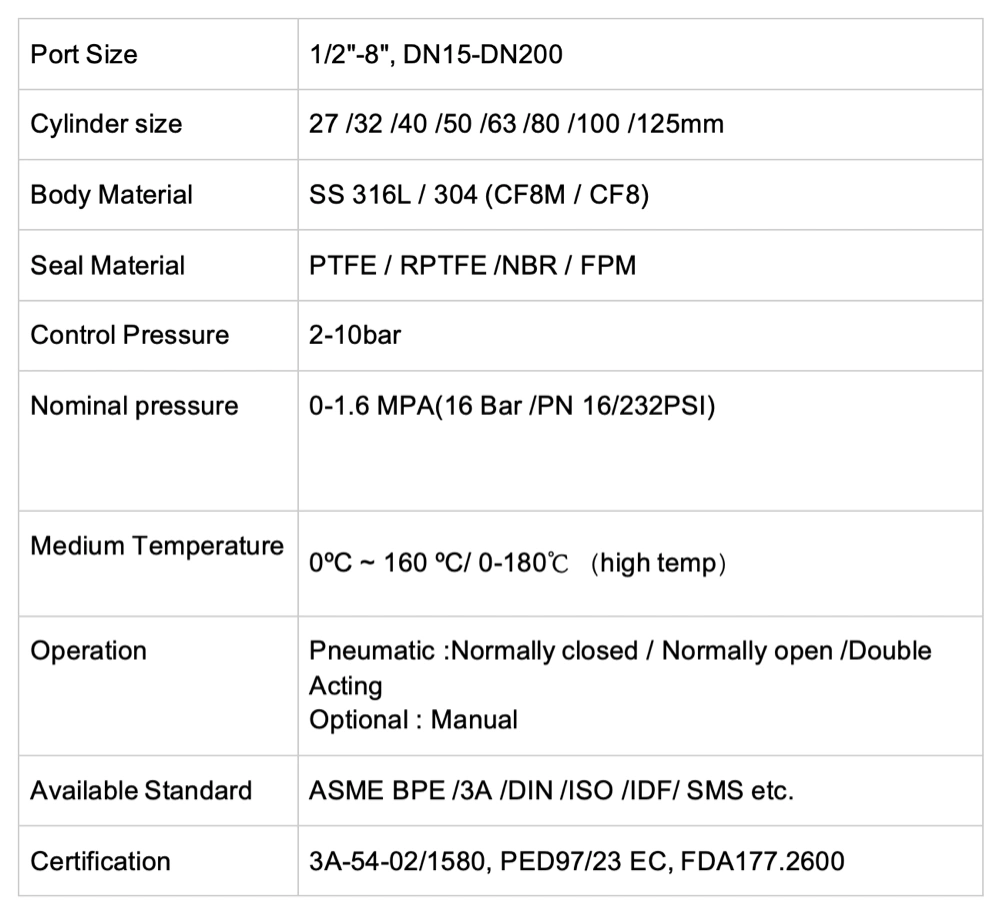
The valve covers a nominal diameter from DN10 to DN100. Its nominal pressure ranges from PN16 to PN25. Manufacturers mostly use CF8M and CF8 stainless steel for the valve body. PTFE serves as the standard sealing material. It adapts to multiple media including water, neutral gas, liquid, alcohol and oil. Besides, medium temperature varies with sealing materials, generally from -20℃ to 180℃.
Extended Detailed Parameters
It supports DN10 to DN100 interface specifications. The standard valve body adopts 304 stainless steel. It provides two pneumatic types: full 304 stainless steel and plastic head. It uses PTFE for valve core sealing. It matches PTFE or FKM for valve stem sealing. It applies FKM or NBR for piston sealing.
It fits diverse media such as water, neutral fluid, alcohol and oil. It also adapts to organic solvents, steam and weak acid-base solutions. With PTFE sealing, the medium temperature ranges -10℃ to +180℃. Its applicable ambient temperature is -10℃ to +60℃. It can handle medium viscosity up to 600mm²/s. It uses air or neutral gas as control media. Its control pressure ranges from 0.3MPa to 1MPa.
Core Product Advantages
This valve delivers a large flow rate in actual operation. It boasts a long service life. It needs no routine maintenance. Meanwhile, it maintains high working reliability in long-term use.
Application Fields
It serves multiple industrial fields widely. It applies to filling equipment, beer and beverage production. It also fits textile printing and dyeing, medical and biopharmaceutical industries. In addition, it works for food processing, disinfection and sterilization. It further covers rubber machinery, water treatment and chemical industries.
Installation and Maintenance Guidelines
First, clean the pipeline thoroughly before installation. Remove all dirt and impurities inside. Install the valve flexibly according to site conditions. Meanwhile, place the actuator upward as much as possible and align with the fluid flow direction.
Moreover, follow strict rules for operation and repair. Cut off the fluid supply and control air source first. Reduce the pressure inside the pipeline system before opening or repairing the valve. This step effectively ensures construction safety.