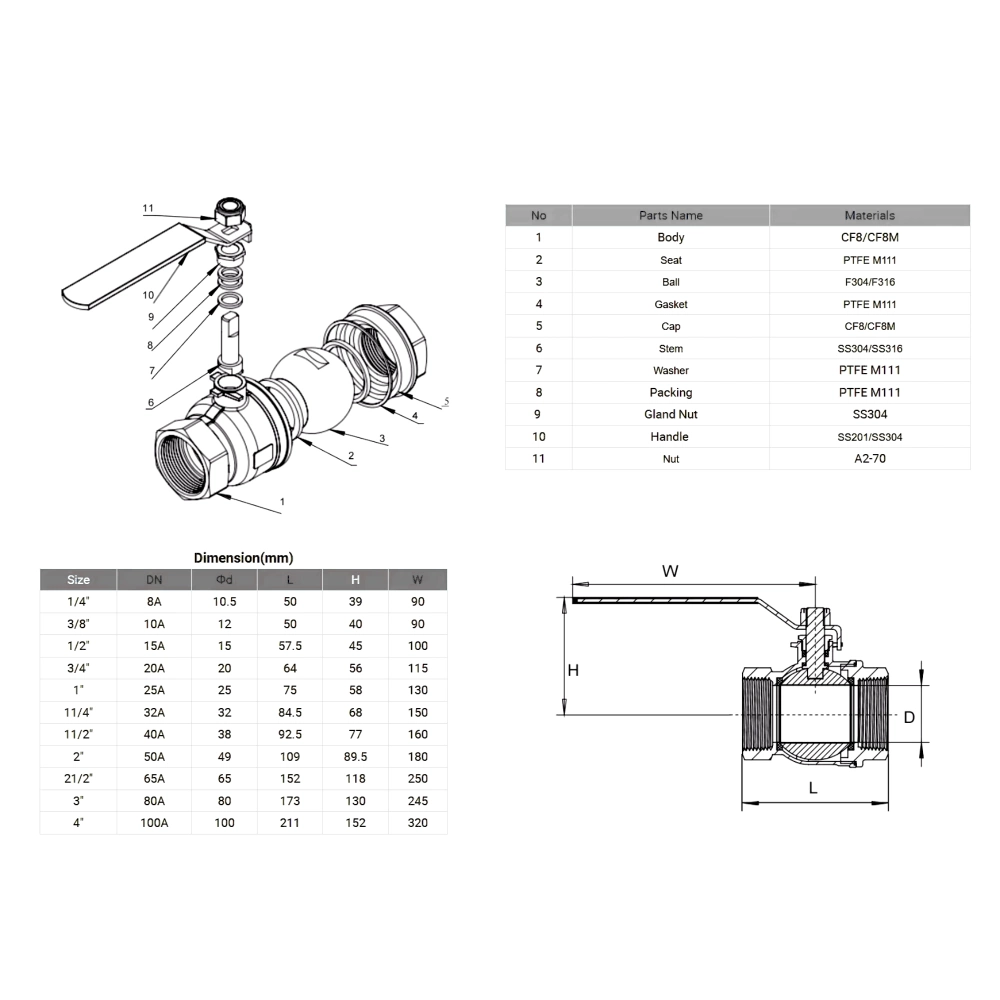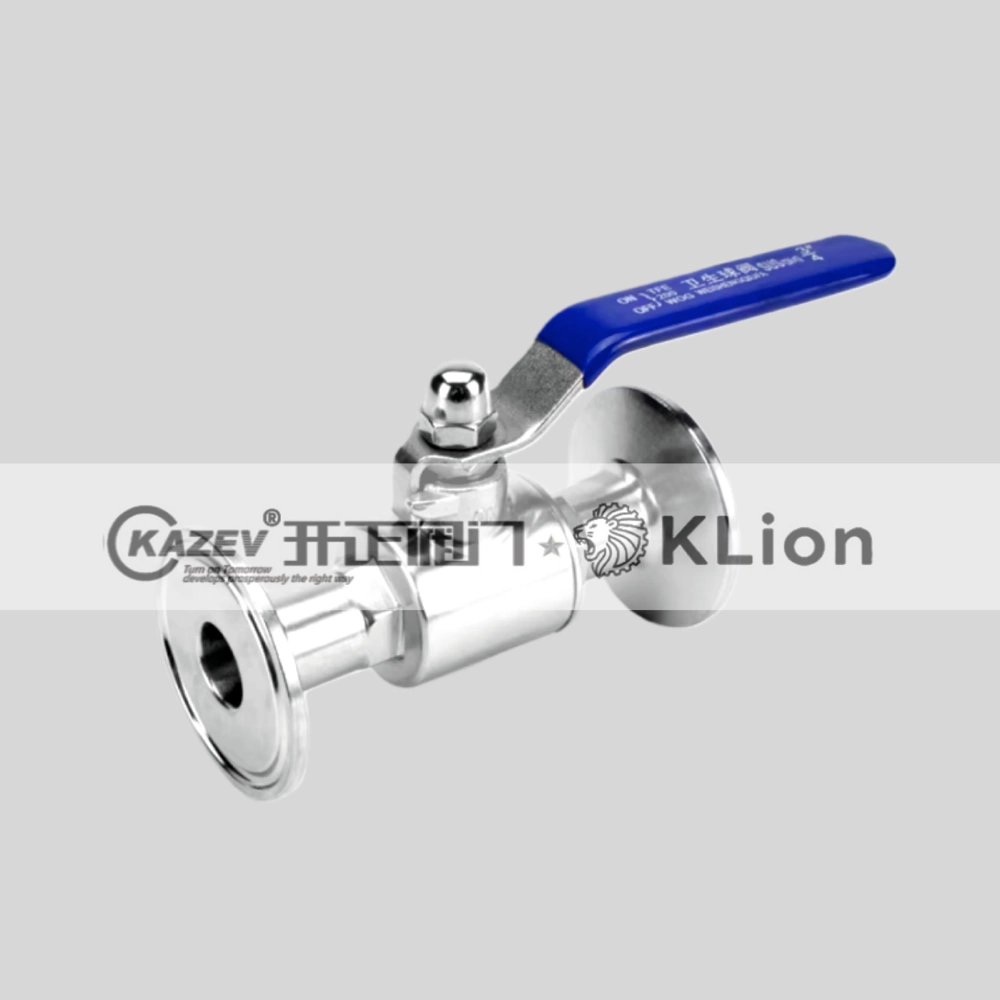








304 316 stainless steel sanitary grade ball valve quick-connect manual straight-through clamp type
Sanitary valves are made of stainless steel, with clamp/weld connection, smooth inner surface without dead corner. Good cleanability for food, beverage and pharmaceutical pipelines.
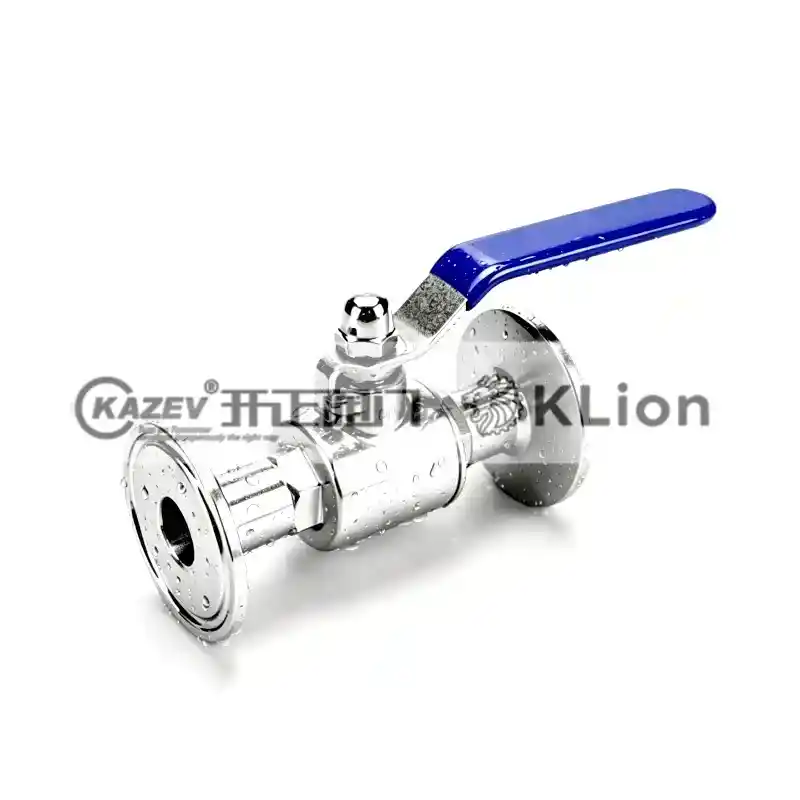
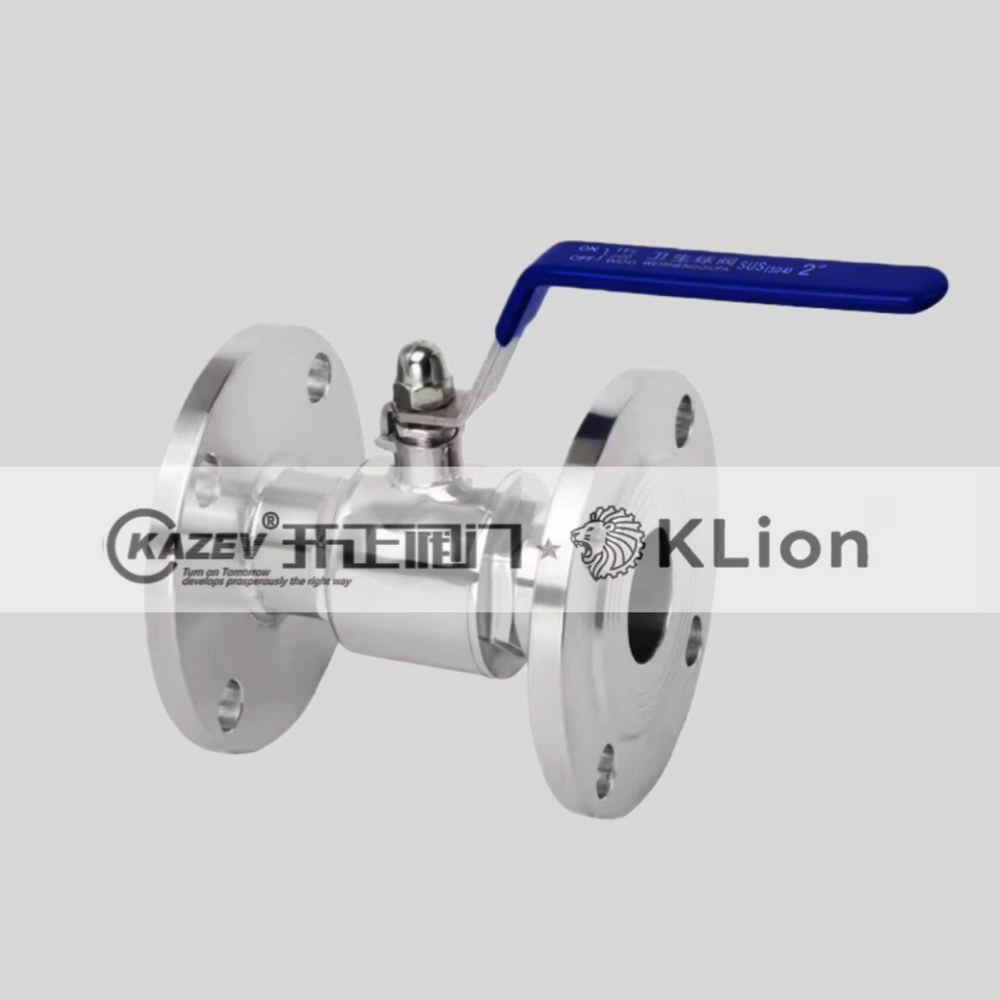
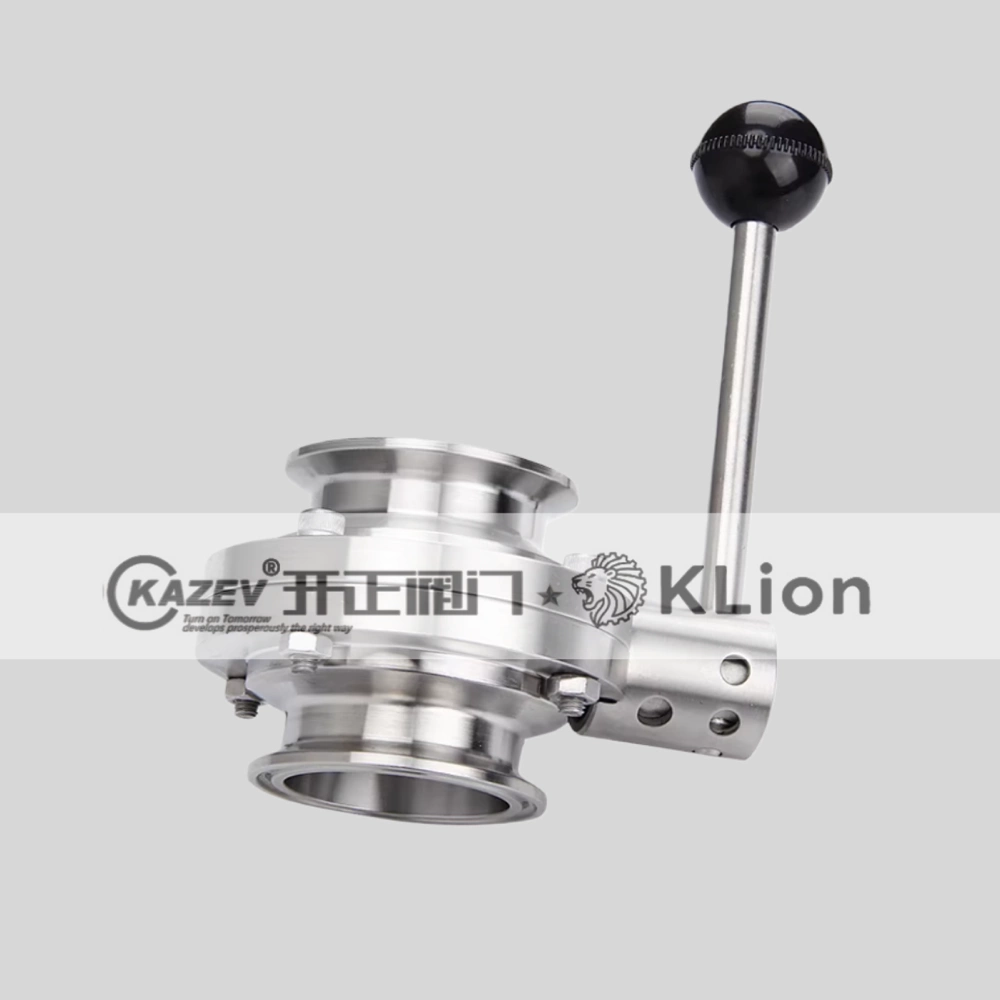
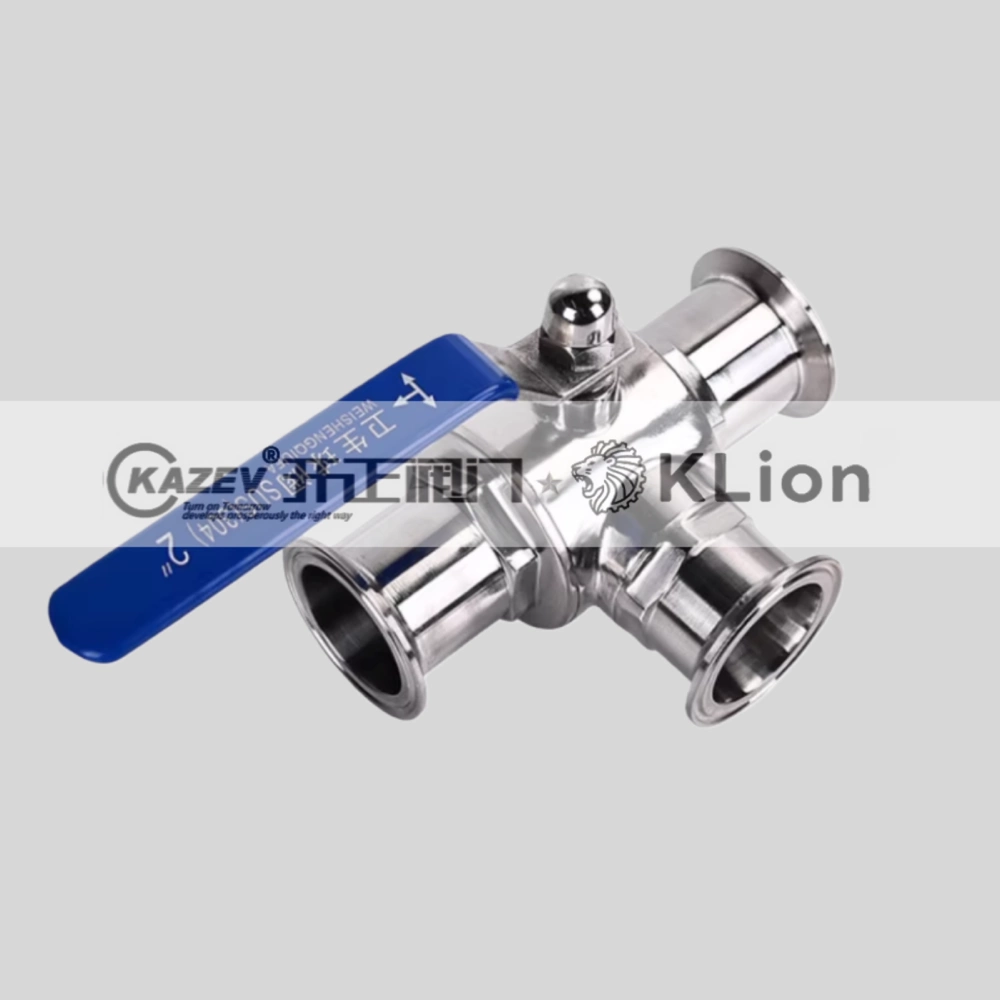
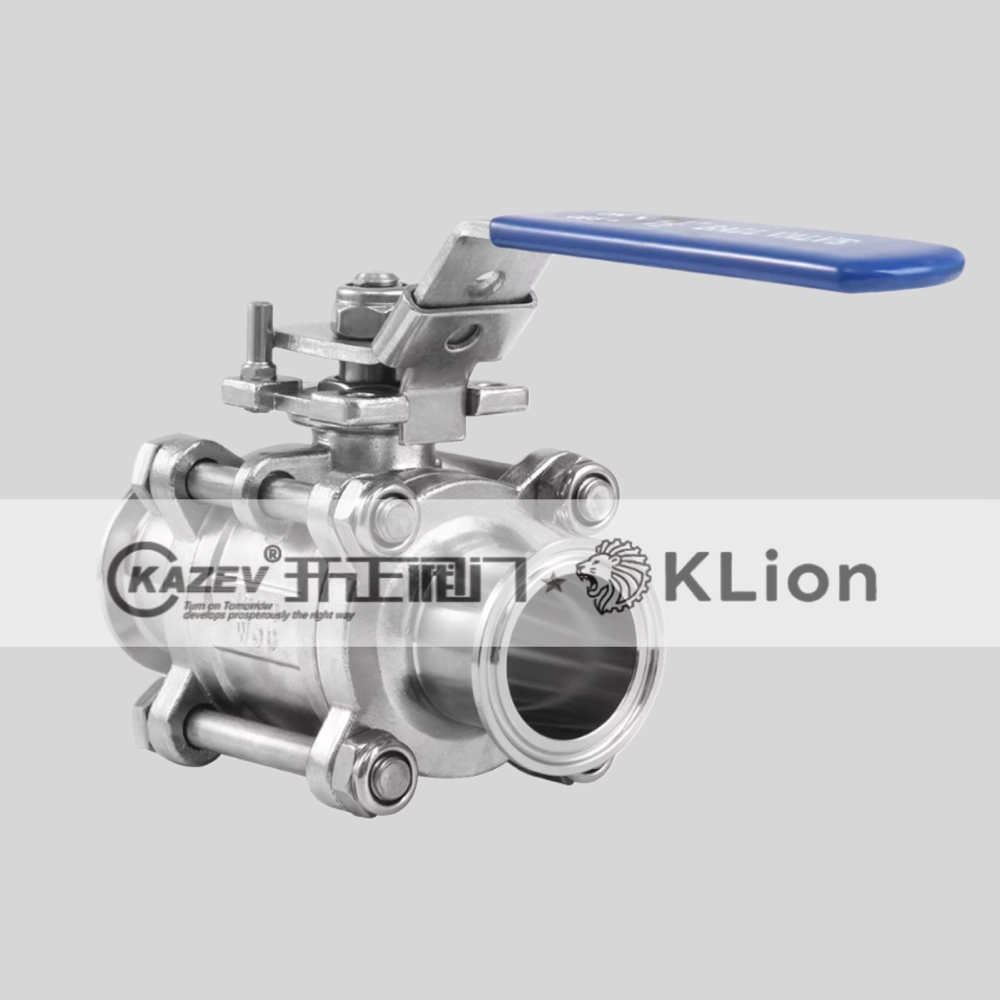
Stainless Steel Sanitary Grade Ball Valve Quick Connect Manual Straight Through Clamp Type
1. Definition of Sanitary Valve
Sanitary valve are professional special valves. They serve industries that demand high cleanliness and sterility, including food, beverage, pharmaceutical, bioengineering and cosmetic sectors. They feature anti-pollution performance, easy cleaning and zero medium residue.
2. Core Design Features
Premium Pure Materials
Manufacturers adopt 316L or 304 stainless steel for valve bodies. These materials resist corrosion, contain no toxic ingredients, and never react with flowing media.
Ultra-Smooth Inner Wall
The valve inner wall undergoes mirror polishing treatment. Its surface roughness Ra is no more than 0.8μm, and some versions reach 0.4μm. This design effectively stops bacterial adhesion.
Dead-Zero Structure with Full Draining
The valve has no grooves, threads or blind zones inside. It allows complete fluid emptying and inhibits bacterial reproduction.
CIP/SIP Online Cleaning & Sterilization
The valve supports on-site CIP cleaning and SIP steam sterilization. Workers can finish thorough cleaning without dismantling the valve.
Food-Grade Hygienic Sealing
It uses FDA and 3A certified sealing materials such as EPDM, silicone and PTFE. These materials are non-toxic, high-temperature resistant and free of precipitation.
Fast Installation Connection
It supports tri-clamp, welding and thread connection modes. Users can install and disassemble it easily for convenient daily maintenance.
Complete Industry Compliance
It fully meets mainstream hygiene standards, including FDA, 3-A, EHEDG, GMP and ISO specifications.
3. Common Types and Applications
Hygienic Ball Valve
It delivers low flow resistance and fast switch action. It features a full-bore and dead-space-free structure. It fits media like milk, beverages, syrup and purified water.
Hygienic Diaphragm Valve
It isolates media completely from the valve stem to achieve zero pollution. It provides superior sealing performance. It is the preferred choice for pharmaceutical, injection water and aseptic systems.
Hygienic Butterfly Valve
It owns a simple structure, adapts to large bores and works under low pressure. It costs less than other hygienic valves. It suits beer, beverages and large-flow industrial pipelines.
Hygienic Check Valve
It prevents medium backflow with no internal dead space. It effectively avoids system contamination caused by reverse flow.
4. Core Selling Points
4.1 Hygiene & Safety: Zero Pollution, Zero Residue
The all-stainless steel and mirror-polished structure eliminates dead corners. It prevents dirt accumulation and bacterial growth. Meanwhile, certified sealing materials are non-toxic, odorless and non-adsorptive. They never precipitate harmful substances. In addition, the valve fully complies with GMP, FDA, 3A and EHEDG hygiene requirements.
4.2 Easy Cleaning: Efficient CIP/SIP Operation
It supports online cleaning and sterilization directly. Operators do not need to dismantle the valve during processing. It shortens equipment downtime and cuts labor costs. Furthermore, the full-drain design leaves no cleaning residue and ensures complete sterilization.
4.3 Long Service Life & Low Maintenance
316L stainless steel resists acid, alkali, corrosion and high temperature. The simple structure and quick-install design boost maintenance efficiency. Workers can finish assembly, disassembly and cleaning within 10 minutes. Besides, its reliable sealing achieves zero leakage, with a long service life and ultra-low failure rate.
4.4 Superior Fluid Performance
It creates minimal flow resistance and pressure loss while maintaining high flow rates. It switches quickly and runs stably. It perfectly matches automated production systems.
4.5 Standard Compliance & Quality Assurance
It conforms to food and pharmaceutical grade regulations. It passes relevant industry inspections easily. It delivers stable quality and high market credibility.
5. Applicable Industries
Food & Beverage Industry
It applies to milk, yogurt, beer, juice, soy sauce and edible oil production.
Pharmaceutical & Bioengineering Industry
It adapts to injection water, purified water, sterile medicinal liquid and biological fermentation processes.
Cosmetic Industry
It serves production of lotion, cream, perfume and hair care products.
Fine Chemical & Semiconductor Industry
It fits transportation of high-purity fluid and ultra-pure water.
Sanitary valve integrate hygiene safety, easy cleaning, long service life and standard compliance. They serve as standard matching equipment for high-hygiene production lines in food, pharmaceutical, beverage and cosmetic industries.